
Ear Infections

  • Home
  • Ear Infections
Ear Infections Treatment

Ear Infections

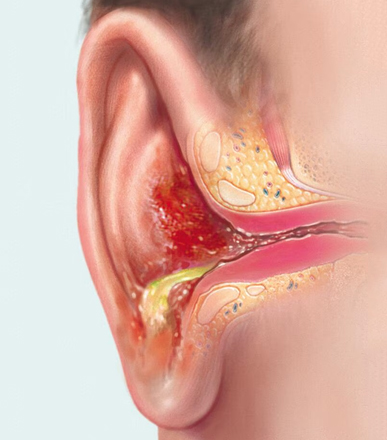
Ear infections are common conditions affecting the outer, middle, or inner ear and can occur in both children and adults. They may cause pain, discharge, hearing loss, or a feeling of blockage in the ear. Timely diagnosis and proper treatment are essential to prevent complications and restore normal ear function.

Symptoms / Indications

Ear infections may present with one or more of the following symptoms:

  • Ear pain or discomfort
  • Ear discharge (fluid or pus)
  • Reduced or muffled hearing
  • Feeling of fullness or blockage in the ear
  • Itching or irritation in the ear canal
  • Fever or general discomfort (more common in children)
  • Dizziness or imbalance in severe cases

Causes

Ear infections can develop due to various underlying causes, including:

  • Bacterial or viral infections
  • Upper respiratory tract infections or colds
  • Water trapped in the ear after swimming
  • Allergies causing Eustachian tube blockage
  • Poor ear hygiene or use of cotton buds
  • Chronic middle ear disease or perforated eardrum

Treatment / Procedure

Treatment for ear infections depends on the type and severity of the condition. Mild infections may be managed with medications such as ear drops or antibiotics. Chronic or recurrent infections may require advanced evaluation, hearing tests, or surgical procedures like tympanoplasty or mastoid surgery. Dr. Ashok Garje provides personalized treatment plans focused on infection control, hearing preservation, and long-term relief.


Benefits

  • Relief from ear pain and discomfort
  • Prevention of recurrent ear infections
  • Improved hearing and ear function
  • Reduced risk of complications
  • Safe and effective treatment approach
  • Better quality of life and ear health

Prevention / Post-Treatment Care

Proper care and preventive measures can reduce the risk of ear infections:

  • Keep ears dry and clean
  • Avoid inserting objects or cotton buds into the ear
  • Treat colds and allergies promptly
  • Follow prescribed medications completely
  • Attend follow-up visits as advised
  • Seek medical care if symptoms recur